Bariatric Surgery In Rajkot
- Home
- Bariatric Surgery In Rajkot
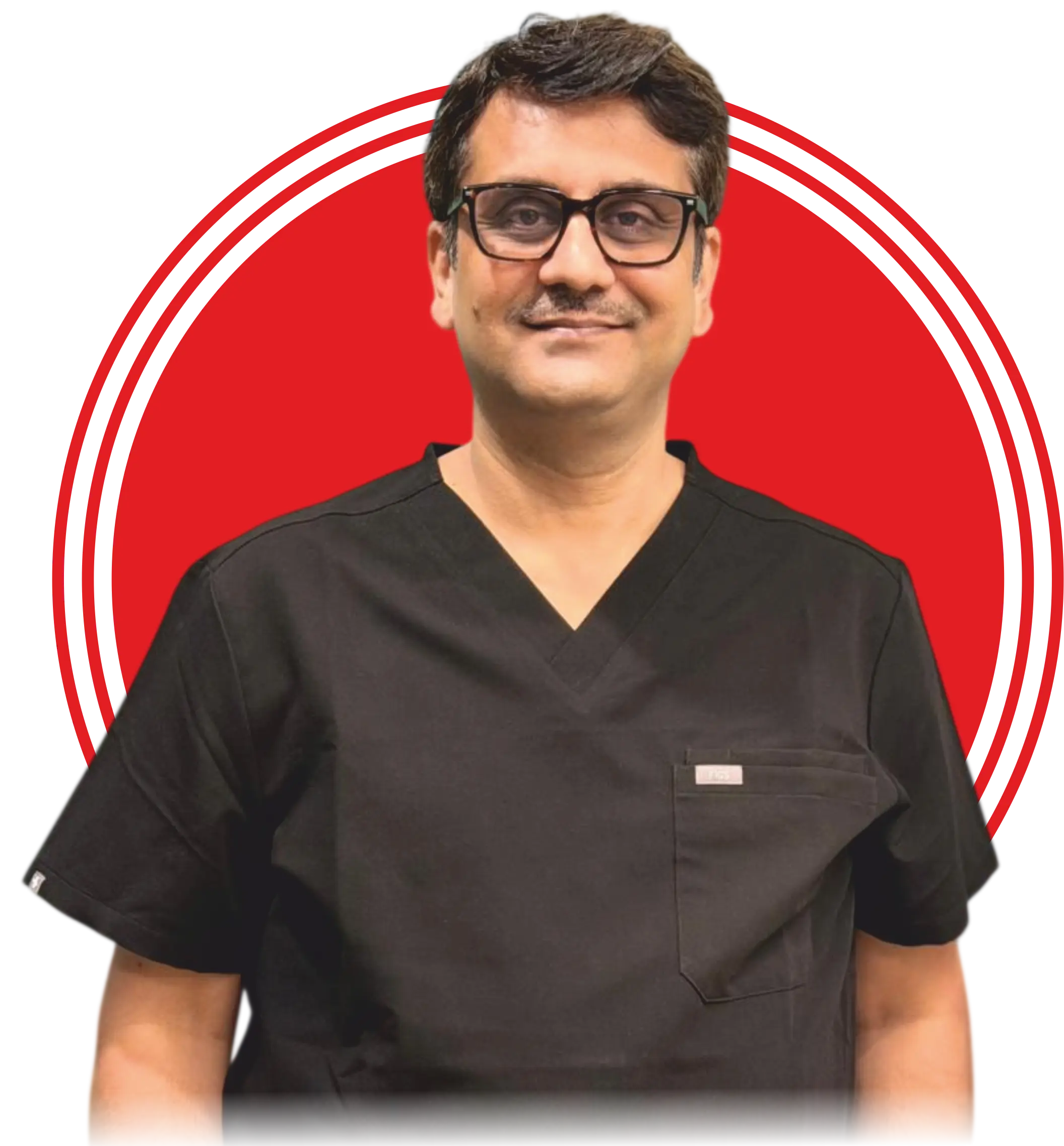
Rajkot’s Expert Bariatric & Laparoscopic Surgeon
FIBC – Fellow, International Bariatric Club FIAGES – Fellow, Indian Association of GI Endo-surgeons FMAS – Fellow, Minimal Access Surgery Consultant Bariatric & Laparoscopic Surgeon, Shree Giriraj Hospital, Rajkot

Patients Trusted Us
Google Rating
Patients Trusted Us
At Shree Giriraj Hospital, Rajkot, we are proud to be one of the leading centres for bariatric surgery in Gujarat. Our dedicated Bariatric Surgery programme is led by Dr. Keyur Yagnik – MS, FMBS (Bariatric), FIBC, FIAGES, FMAS a fellowship-trained bariatric and laparoscopic surgeon with expertise in all major weight loss procedures. Backed by our superspeciality infrastructure, multidisciplinary medical team, and 230,000+ patients served since 2008, we deliver world-class obesity surgery with outcomes that genuinely transform lives.
Excess Weight Lost in 18 Months
Type 2 Diabetes Remission Rate
Sleep Apnea Resolution Rate
Cashless Insurance Partners
“I had a positive experience with my bariatric surgery at Shree Giriraj Hospital. The doctors took time to explain the procedure and answer my questions. I was nervous initially, but the team’s patient and respectful approach helped me feel more comfortable. I am grateful for the care and support I received during my stay.”
“Before my bariatric surgery at Shree Giriraj Hospital, I had several concerns about recovery and changes to my daily routine. The team listened carefully and explained what to expect. I particularly appreciated the nursing staff’s kindness and the clear instructions given before discharge. Their support meant a lot to me and my family.”
“What I appreciated most about Shree Giriraj Hospital was the way the team communicated with me. During my bariatric surgery journey, I felt comfortable asking questions and discussing my concerns. The doctors explained my care, and the nursing staff was attentive throughout my hospital stay. Overall, it was a reassuring experience.”
“Discussing my weight-related concerns was not easy for me, but I felt heard and respected at Shree Giriraj Hospital. The team explained the bariatric surgery process without making me feel rushed. I appreciated their thoughtful approach and the opportunity to understand the lifestyle changes involved before making my decision.”
“My experience at Shree Giriraj Hospital for bariatric surgery was positive. Along with explaining the procedure, the team helped me understand the importance of follow-up appointments and following my care plan. The staff was approachable whenever I needed assistance. I especially appreciated how patiently they addressed questions from both me and my family.”
“I was worried about adjusting to eating after bariatric surgery. At Shree Giriraj Hospital, the team explained my dietary instructions clearly and gave me time to ask questions. This guidance helped me feel better prepared for returning home. I am thankful for the attention and encouragement I received throughout my experience.”
“During my stay at Shree Giriraj Hospital for bariatric surgery, the nursing staff made a meaningful difference to my experience. They were courteous, attentive, and willing to help when I needed support. I also appreciated the doctors taking time to discuss my concerns. Their kindness helped me feel more at ease.”
“Choosing bariatric surgery was an important personal decision, and I appreciated having my questions taken seriously at Shree Giriraj Hospital. The doctors discussed the procedure, recovery expectations, and ongoing care with me. I felt involved in conversations about my treatment rather than rushed through them. That made the experience more reassuring for me.”
“I appreciated the support I received at Shree Giriraj Hospital, both during my bariatric surgery admission and at follow-up visits. The team listened to my questions and explained the next steps in my care. Having clear guidance was valuable to me. I am grateful for their respectful communication and attention.”
“My family and I had many questions before my bariatric surgery at Shree Giriraj Hospital. The team patiently addressed our concerns and helped us understand what to expect during the hospital stay and afterward. I appreciated the caring attitude of the staff and the clear communication throughout. Thank you for making me feel supported.”
Bariatric surgery is medically indicated when obesity has progressed to a point where it is directly causing or worsening serious health conditions that reduce life expectancy and quality of life. Below are the primary conditions our bariatric team treats:
Bariatric surgery helps manage obesity and may improve related health conditions. Long-term care includes dietary changes, physical activity, and regular medical follow-up.
This procedure removes part of the stomach, leaving a smaller, sleeve-shaped stomach. It helps reduce hunger and food intake, supporting long-term weight management.
Gastric bypass creates a small stomach pouch and reroutes part of the small intestine. It supports weight loss and may improve obesity-related conditions, including type 2 diabetes.
This procedure connects a narrow stomach pouch to the small intestine through a single surgical connection. It supports weight loss by reducing food intake and altering nutrient absorption.
Revisional surgery may address weight regain, insufficient weight loss, or complications after previous bariatric surgery. A detailed assessment helps determine whether further surgery is suitable for your needs.
Metabolic surgery may improve blood sugar control in eligible people with type 2 diabetes and excess weight. Results vary, and continued diabetes monitoring and medical follow-up remain important.
Bariatric surgery is a significant medical procedure with well-defined eligibility criteria established by international medical bodies, including the International Federation for the Surgery of Obesity (IFSO) and the Indian guidelines adapted for South Asian patients. The following eligibility framework is applied by our multidisciplinary bariatric team at Shree Giriraj Hospital:
Every patient is individually assessed by our full multidisciplinary team – including a bariatric surgeon, physician, dietitian, and psychologist before surgery is recommended. We never rush patients into surgery.
Empanelled Insurance Companies (35+ Cashless Partners)


Bariatric surgery is a group of surgical procedures that help people with severe obesity lose significant weight by making changes to the stomach and/or small intestine. It works through restriction (reducing how much food the stomach can hold), malabsorption (reducing how many calories are absorbed), and powerful hormonal changes that reduce hunger, improve insulin sensitivity, and reset the body's metabolic set-point. The most common procedures are gastric sleeve, gastric bypass, and mini gastric bypass.
There is no single 'best' bariatric surgery - the right procedure depends on your BMI, health conditions, surgical history, and personal goals. Gastric sleeve is simpler, has fewer nutritional complications, and is excellent for BMIs 35–50. Gastric bypass (RYGB) produces greater weight loss, is the gold standard for diabetes remission, and is preferred for patients with GERD or BMI above 50. Mini gastric bypass offers similar results to RYGB with a shorter operating time. Dr. Keyur Yagnik at Shree Giriraj Hospital evaluates every patient individually before recommending the most suitable procedure.
The cost of bariatric surgery at Shree Giriraj Hospital, Rajkot depends on the type of procedure, hospital stay, and individual medical requirements. Most major health insurance policies now cover bariatric surgery when medically indicated (BMI ≥ 35 with comorbidities). We are empanelled with 35+ insurance companies for cashless surgery. Our team will discuss all available financial options. Call +91 82386 18626 for a personalised cost estimate.
Yes - bariatric surgery performed by trained, fellowship-qualified surgeons in well-equipped hospitals is extremely safe. At experienced centres like Shree Giriraj Hospital in Rajkot, the risk of serious complications is less than 1%, and the mortality rate is approximately 0.1–0.3% - comparable to other common elective surgeries. The risks of severe obesity - heart disease, stroke, diabetes complications, and premature death - are far greater than the risks of bariatric surgery in eligible patients.
Bariatric surgery - particularly gastric bypass - produces complete remission of type 2 diabetes in 60–80% of patients. This means blood sugar returns to normal levels and patients can discontinue all diabetes medications, including insulin. Even in patients who do not achieve full remission, significant improvement in blood sugar control and a major reduction in medication requirements is very common. This effect begins within days to weeks of surgery, even before significant weight loss has occurred, due to the powerful hormonal changes the surgery induces.
Most patients lose 60–80% of their excess body weight within 18–24 months of bariatric surgery. For example, if you are 50 kg above your ideal body weight, you can expect to lose 30–40 kg. Actual weight loss depends on the type of procedure, your adherence to dietary guidelines, level of physical activity, and engagement with follow-up care. Gastric bypass typically produces the most weight loss (70–80%), while gastric sleeve produces 60–70% and gastric band produces 40–50% of excess weight loss.
After laparoscopic bariatric surgery at Shree Giriraj Hospital, most patients are discharged within 2–3 days. You can resume light activities (short walks, basic daily tasks) within 1–2 weeks. Desk work and light office duties can usually resume in 2–4 weeks. More physically demanding work and vigorous exercise is typically cleared at 6–8 weeks. Full recovery from laparoscopic bariatric surgery is much faster than open surgery, which is one of its major advantages.
Yes - lifelong nutritional supplementation is required after bariatric surgery, particularly after gastric bypass and sleeve gastrectomy. This is because the reduced stomach size and altered digestive tract affect the absorption of key nutrients including iron, calcium, vitamin B12, vitamin D, and folate. Our dietitian at Shree Giriraj Hospital prescribes a personalised supplement regimen for each patient and monitors blood levels at every follow-up visit to ensure nutritional health is maintained long-term.
Bariatric Surgery Inquiry Form.
Shree Giriraj Hospital is dedicated to patient-centered healthcare with world-class facilities and expert medical staff.
Appointment: 76000 75675 / 82386 18626
Address: 27, Navjyot Park, 150 Feet Ring Rd, Rajkot, Gujarat 360005