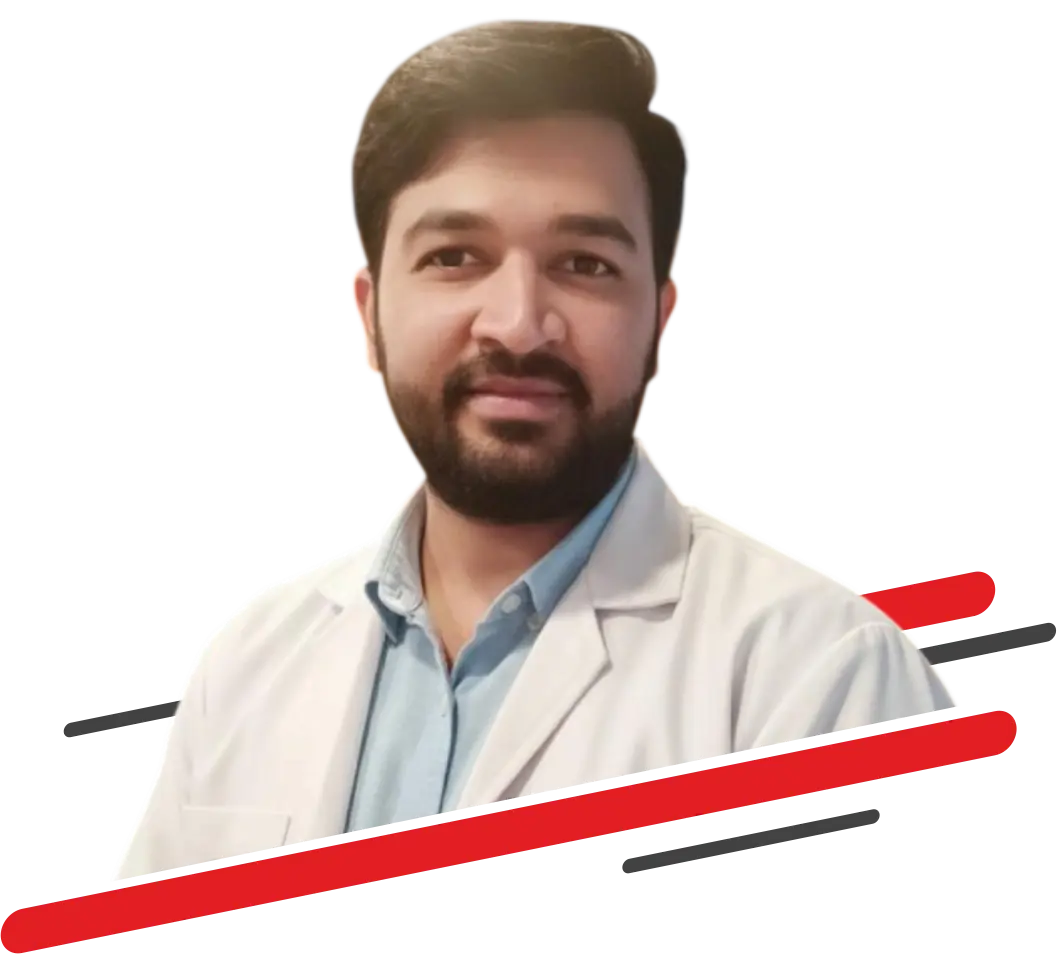
Dr. Nikunj D. Patel

Table of contents

Dr. Nikunj D. Patel OPD Timing
Mon- Fri

11:00 AM - 01:00 PM

05:00 PM - 07:00 PM

Sat

11:00 AM - 01:00 PM

Introduction

Dr. Nikunj Patel completed his MBBS and MS in General Surgery from the prestigious B.J. Medical College, Ahmedabad. Later, he joined GEM Hospital and Research Centre, Coimbatore, Tamil Nadu for specialized training in Surgical Gastroenterology and Laparoscopic Surgery under the Fellowship Programme FNB recognized by the National Board of Examinations, New Delhi. There, he was trained in various advanced laparoscopic and GI surgical procedures under the guidance of world-renowned laparoscopic surgeon Dr. C. Palanivelu. He has published several papers in international journals and presented at various conferences.

Dr. Nikunj D. Patel

M.S.,F.N.B., Consultant
Surgical Gastroenterologist & Laparoscopic Surgeon

Available facilities

  • Diagnosis and treatment of all types of stomach related diseases.
  • All types of operations related to the esophagus, stomach and intestines
  • Complex surgeries of the liver, gallbladder, pancreas, and spleen.
  • Stomach cancer surgery.
  • Appendix, gallbladder and pancreatic tumor surgery.
  • State-of-the-art laparoscopic surgery (operation with a telescope).
  • Emergency and high-risk surgery.

FAQs

A urologist is a surgeon who specializes in the urinary tract of both men and women, as well as the male reproductive system. This includes the kidneys, bladder, ureters, and urethra, along with conditions like prostate enlargement, kidney stones, and infertility.

While both genders get UTIs, they are more common in women. Seek a urologist for UTIs if you experience:

A strong, persistent urge to urinate.

A burning sensation during urination (dysuria).

Passing frequent, small amounts of urine.

Cloudy, red, or strong-smelling urine.

Pelvic pain in women.

Kidney stone symptoms often start as a sharp, cramping pain in the back and side (flank) or the lower abdomen. Other signs include nausea, vomiting, and blood in the urine. If the stone is small, it may pass on its own with hydration; larger stones may require lithotripsy or laser treatment.

The American Urological Association typically recommends that men at average risk discuss PSA (Prostate-Specific Antigen) screening at age 55. However, if you are African American or have a family history of prostate cancer, you should begin the conversation at age 40 or 45.

BPH (Benign Prostatic Hyperplasia) is a non-cancerous enlargement of the prostate that occurs as men age. It can compress the urethra, causing a weak urine stream or frequent nighttime urination. Treatments range from medications to minimally invasive procedures like UroLift or Rezum.

While the risk of Erectile Dysfunction increases with age, it is not an inevitable part of getting older. ED is often a "canary in the coal mine" for other health issues like heart disease or diabetes. A urologist can provide solutions ranging from oral medications (PDE5 inhibitors) to testosterone replacement therapy or shockwave therapy.

A vasectomy is a permanent form of male birth control. It is a quick, in-office procedure (usually under 30 minutes) where the tubes that carry sperm are blocked. Most patients recover within a few days.

Note: You are not sterile immediately after the procedure; a follow-up semen analysis is required to confirm the absence of sperm.

Overactive bladder is characterized by a sudden, uncontrollable urge to urinate. It can be caused by aging, hormonal changes during menopause, or neurological issues. Treatments include bladder training, pelvic floor physical therapy, and advanced options like Botox injections for the bladder.

Seeing blood in the urine can be alarming. While it can be caused by something simple like a UTI or vigorous exercise, it can also be an early sign of bladder or kidney cancer. You should always see a urologist for a formal evaluation, which may include a cystoscopy (a visual exam of the bladder).

Yes. Urologists are the primary specialists for male factor infertility. We evaluate sperm count and motility, check for varicoceles (enlarged veins in the scrotum), and address hormonal imbalances to help couples conceive.

Book Appointment Now

Recommeded Packages