
“The benefits outweigh the risks” is a sentence patients hear often when a cardiothoracic surgeon recommends surgery and it’s usually true. But it’s also frustratingly vague when you’re the one signing the consent form. What risks, specifically? What benefits, specifically? And how does a surgeon actually weigh one against the other for your particular case, rather than a generic statistic?
This guide breaks down cardiothoracic surgery risks and benefits in real, specific terms – not to alarm you, but to give you the same framework surgeons themselves use when recommending or declining an operation. Understanding this framework makes the eventual conversation with your own surgical team far more useful.
Who Actually Needs This Conversation?
Not everyone with heart or lung symptoms ends up facing a surgical decision – most cardiac and pulmonary conditions are managed medically first. Cardiothoracic surgery risks and benefits become a genuinely relevant conversation once medication, lifestyle changes, or less invasive procedures like stenting or catheter-based interventions are no longer sufficient to manage the underlying condition.
- Coronary artery disease that has progressed beyond what stenting can safely address
- Valve disease that has become moderate to severe and symptomatic
- A confirmed or suspected lung tumor requiring tissue diagnosis or removal
- Structural heart conditions present from birth that require surgical correction
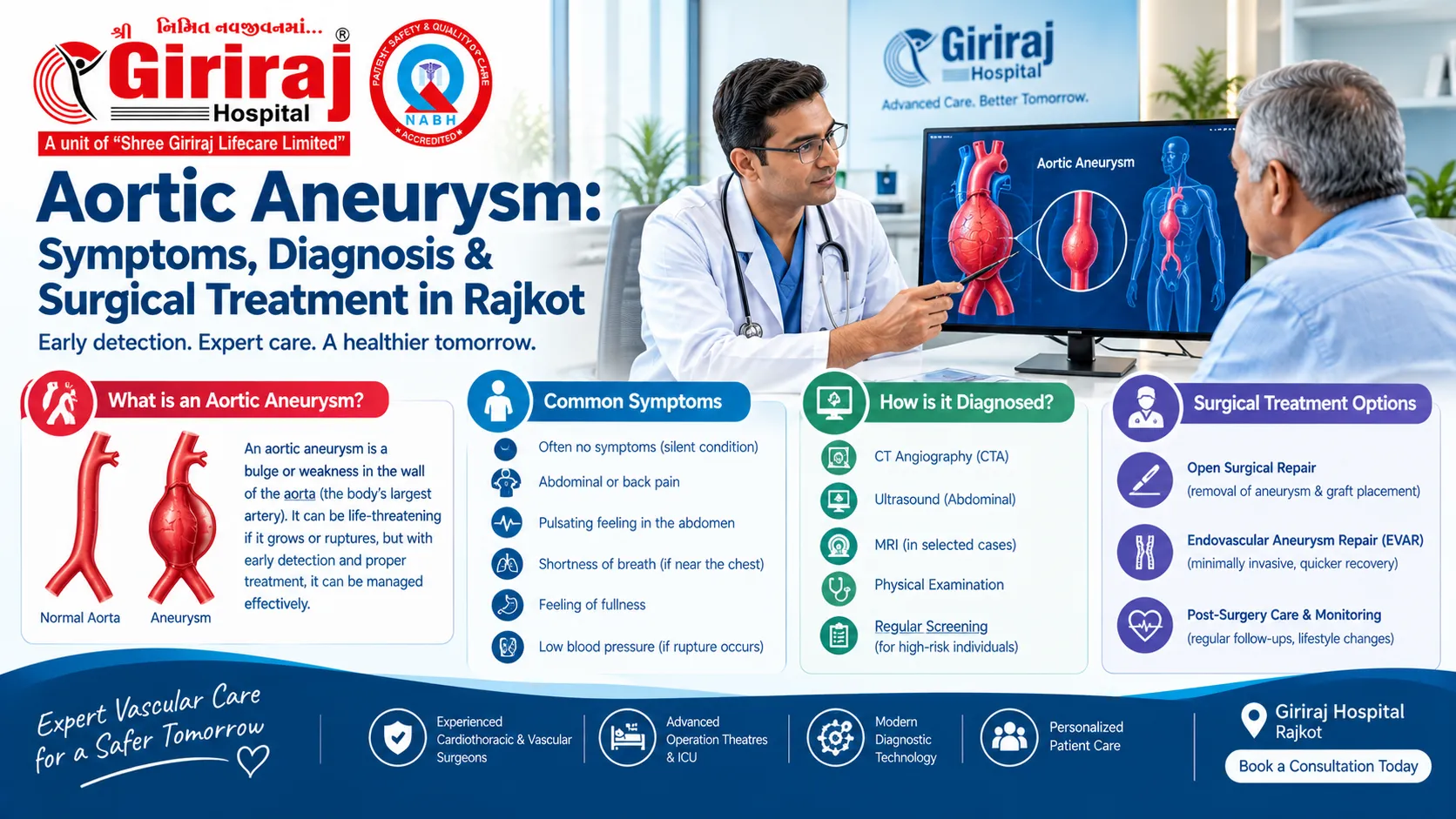
- Aortic aneurysms or dissections, which often require urgent surgical attention
If you’ve reached this point in your own diagnosis, understanding both sides of the risk-benefit equation becomes directly relevant to the decision ahead of you.
What Counts as Cardiothoracic Surgery?
Cardiothoracic surgery covers operations on the heart, lungs, esophagus, and major vessels within the chest. This includes coronary artery bypass grafting (CABG), heart valve repair or replacement, lung resections, aortic surgery, and less common procedures like heart or lung transplantation. Each carries its own specific risk-and-benefit profile, though many general principles apply across all of them.
Why the Risk-Benefit Conversation Matters
Every surgery carries some risk – that’s simply true of any procedure that involves anesthesia and altering the body. What makes cardiothoracic surgery risks and benefits worth understanding in detail is the stakes involved: these are major operations, often recommended for serious, sometimes life-threatening conditions, where the alternative to surgery may itself carry significant risk.
Surgeons don’t recommend cardiothoracic surgery lightly. As a general principle in cardiac surgery, the decision to operate is made specifically because, for that patient’s condition, the expected benefit is judged to outweigh the risk – not because surgery is a default first option. Understanding both sides of that judgment helps patients engage with the decision rather than simply accepting or fearing it.
How Anesthesia Factors Into Overall Risk
General anesthesia is a necessary part of most cardiothoracic procedures, and it carries its own, generally small, set of risks that are separate from the surgery itself – allergic reactions, breathing complications during induction, and interactions with existing medications or health conditions.
An anesthesiologist reviews your specific health history before surgery specifically to identify and minimize these risks, and typically meets with you directly beforehand to answer any questions about this part of the process. For patients with existing heart or lung conditions, this pre-anesthesia evaluation is a genuinely important part of overall risk assessment, not just a formality.
The Real Risks of Cardiothoracic Surgery
Being specific about cardiothoracic surgery risks and benefits, rather than vague reassurance, is what actually helps patients prepare and ask the right questions. Here are the risks most relevant to major cardiothoracic procedures.
Bleeding and the need for transfusion
Cardiothoracic surgery involves major blood vessels, and some bleeding during and after surgery is expected and managed as a routine part of the procedure. In some cases, a blood transfusion is needed, which is why blood type and cross-matching are part of standard pre-operative testing.
Infection
Any surgical incision carries infection risk, and for procedures involving the sternum (breastbone), a deep sternal wound infection, while uncommon, is a serious potential complication that’s actively monitored for during recovery. Careful surgical technique, sterile protocols, and prompt attention to warning signs at home significantly reduce this risk.
Irregular heart rhythms (arrhythmias)
Atrial fibrillation is a relatively common temporary complication after heart surgery, particularly after valve or bypass procedures. It’s usually manageable with medication and typically resolves, though it does extend monitoring time and, in some cases, hospital stay.
Stroke
Stroke is one of the more serious potential risks of heart surgery, particularly for procedures involving the aorta or requiring a heart-lung bypass machine. Risk varies significantly based on individual factors like age, existing vascular disease, and whether the surgery is elective or emergency.
Kidney injury
The kidneys can be affected by changes in blood flow and pressure during major cardiac surgery, particularly in patients with pre-existing kidney disease. This is usually temporary and monitored closely with blood tests during recovery, though it can occasionally be more serious.
Respiratory complications
Lung-related complications, including pneumonia or difficulty coming off a ventilator, are a recognized risk, particularly after lung resection surgery or in patients with pre-existing lung disease. Pre-operative lung function testing and post-operative breathing exercises both help reduce this risk.
Cognitive changes
Some patients, particularly older adults, experience temporary memory or concentration difficulties after major heart surgery, sometimes referred to informally as “pump head” when linked to heart-lung bypass machine use. This is generally temporary, though it can be distressing for patients and families who aren’t expecting it.
The risk of death
This is understandably the risk patients want addressed most directly. Modern cardiothoracic surgery has significantly reduced mortality risk over the past few decades through better technique, monitoring, and risk-assessment tools, but it remains a real consideration for major heart and lung operations. Your surgeon should give you a specific, individualized estimate based on your own risk factors, using validated risk-scoring tools, rather than a generic percentage.
Long-Term Risks Worth Discussing
Beyond the immediate surgical and recovery period, some risks and considerations extend well into the months and years after cardiothoracic surgery, and are worth understanding as part of the full picture.
- Graft or valve durability – bypass grafts and replacement valves can, over years, narrow or wear, occasionally requiring further intervention
- Long-term medication requirements – some patients need lifelong blood thinners or other medications depending on the specific procedure
- Recurrence of the underlying disease process – surgery treats existing damage, but conditions like coronary artery disease can progress again without ongoing lifestyle and medical management
- The need for periodic follow-up imaging and monitoring, which becomes a standing part of long-term cardiac care
None of these should be seen as reasons to avoid necessary surgery, but understanding them helps set realistic expectations for what “success” looks like beyond just surviving the operation itself.
How Doctors Estimate Your Individual Risk
Rather than relying on general statistics, cardiac surgeons use validated risk-scoring systems to estimate a specific patient’s individual surgical risk, factoring in age, existing heart function, kidney function, diabetes, prior surgeries, and the specific procedure planned.
- EuroSCORE – a widely used European risk model for predicting cardiac surgery mortality risk
- STS (Society of Thoracic Surgeons) Risk Score – commonly used, particularly for bypass and valve surgery risk prediction
- Parsonnet Score – an older but still referenced tool for cardiac surgical risk stratification
Ask your surgeon directly which tool they use and what your specific score indicates – this converts a vague worry into a concrete, individualized number you can actually discuss and understand.
Benefits That Extend Beyond the Patient
The benefits of successful cardiothoracic surgery often extend meaningfully beyond the patient themselves. Family members frequently describe significant relief once a loved one’s breathlessness, chest pain, or visible fatigue resolves after surgery – the emotional burden of watching someone struggle with untreated heart or lung disease is real, and easing it is a genuine, if less clinical, benefit worth acknowledging.
Caregivers, too, often regain time and capacity previously spent managing a worsening condition, medication schedules, or repeated emergency visits – freed up once the underlying problem is surgically addressed rather than continually managed around.
The Real Benefits of Cardiothoracic Surgery
The benefit side of cardiothoracic surgery risks and benefits deserves equally specific treatment – benefits aren’t just “you’ll feel better” – they’re measurable, procedure-specific outcomes.
Improved survival
For certain conditions – significant coronary artery blockages, severe valve disease, or specific lung cancers – surgery has been shown in extensive research to improve long-term survival compared to medical management alone. This is the single most important benefit driving many cardiothoracic surgery recommendations.
Symptom relief
Chest pain, breathlessness, and fatigue caused by blocked arteries or failing valves often improve significantly, sometimes dramatically, after successful surgery. Many patients describe feeling more capable and energetic than they had in years, once the underlying problem is corrected.
Reduced risk of future cardiac events
Bypass surgery and valve repair or replacement don’t just treat current symptoms – they reduce the risk of future heart attacks, heart failure progression, or sudden cardiac events tied to the underlying condition.
Cure or long-term control of the underlying problem
For some conditions, like an early-stage lung tumor removed surgically, cardiothoracic surgery offers a genuine chance at cure rather than ongoing management. For others, like a mechanical valve replacement, it offers durable, long-term correction of a structural problem.
Improved quality of life
Beyond survival statistics, the ability to walk without breathlessness, sleep flat without discomfort, or simply keep up with grandchildren again is a benefit that matters enormously to patients, even when it’s harder to quantify in a research paper.
Weighing Risk and Benefit When Multiple Options Exist
Some conditions can be treated more than one way – medication, a catheter-based procedure, or surgery – which makes the risk-benefit comparison more complex than a simple yes-or-no surgical decision.
- Medical management alone – lower immediate risk, but may not address the underlying structural problem or fully prevent disease progression
- Catheter-based procedures (like angioplasty or TAVR) – generally lower immediate risk than open surgery, but not suitable for every anatomy or degree of disease
- Traditional open surgery – higher immediate risk in some cases, but often the most durable and complete solution for extensive or complex disease
A thorough consultation should walk through all genuinely relevant options for your specific condition, not present surgery as the only path forward when alternatives exist and are appropriate.
How Minimally Invasive Techniques Change the Risk-Benefit Picture
Not all cardiothoracic surgery involves a full sternotomy. Minimally invasive and robotic-assisted approaches, where suitable, generally offer a different risk-benefit profile than traditional open surgery.
- Smaller incisions typically mean less post-operative pain and faster physical recovery
- Reduced blood loss compared to traditional open procedures in many cases
- Shorter hospital stays for suitable candidates
- Faster return to normal activity and work
These techniques don’t eliminate risk, and not every patient or condition is suitable for a minimally invasive approach – a widely diseased valve or extensive coronary blockage may still require traditional open surgery for the best outcome. This is a case-by-case decision made by your surgical team based on your specific anatomy and condition, not a general preference either way.
The Role of a Multidisciplinary Heart Team
For complex or borderline cases, many hospitals use a “heart team” approach – cardiologists, cardiothoracic surgeons, and sometimes anesthesiologists reviewing a case together rather than a single surgeon deciding alone. This collaborative model is specifically designed to produce a more balanced, thoroughly considered assessment of cardiothoracic surgery risks and benefits for genuinely difficult cases, where the right answer isn’t immediately obvious.
If your case involves significant uncertainty – borderline risk scores, multiple treatment options, or complicating health conditions – it’s reasonable to ask whether your case has been or could be reviewed by this kind of multidisciplinary team, rather than a single opinion.
Factors That Change Your Personal Risk-Benefit Balance
Two patients with the same diagnosis can have meaningfully different cardiothoracic surgery risks and benefits, depending on individual factors.
- Age – while not disqualifying on its own, age affects healing speed and overall surgical risk
- Existing conditions – diabetes, kidney disease, or prior heart attacks all factor into individualized risk
- Elective vs. emergency surgery – planned surgery generally carries lower risk than emergency operations performed under urgent, less controlled circumstances
- Overall fitness and nutritional status – patients in better baseline physical condition generally tolerate major surgery better
- Smoking status – active smoking meaningfully increases surgical and recovery risk across nearly every cardiothoracic procedure
- Surgical team and hospital experience – higher-volume centers with dedicated cardiac ICU support generally show better outcomes for complex procedures
This is exactly why a generic online risk percentage is less useful than a conversation with your own surgical team, who can weigh these specific factors for your case.
Informed Consent: What It Should Actually Include
The informed consent process exists specifically to ensure patients understand the risks and benefits before agreeing to surgery – but in practice, it’s sometimes reduced to a rushed signature rather than a genuine conversation. Knowing what a thorough consent discussion should cover helps you recognize whether you’re getting the full picture.
- A clear explanation of the specific procedure being recommended, in plain language
- Your individualized risk factors and how they were assessed
- The specific expected benefits for your condition, not just general statistics
- Reasonable alternatives, including the option of not proceeding with surgery
- An opportunity to ask questions and have them answered before signing anything
If any of this feels rushed or unclear, it’s entirely reasonable to ask for more time or a follow-up conversation before proceeding – a good surgical team will support this rather than pressure you toward an immediate decision.
What Happens If You Choose Not to Have Surgery?
Understanding the risk of the alternative is just as important as understanding surgical risk, and it’s a question worth asking directly. For many conditions that lead to a surgical recommendation – severe valve disease, significant coronary blockages, or an early-stage lung tumor – the risk of not treating the underlying problem can be substantial, sometimes exceeding the risk of the surgery itself.
This doesn’t mean surgery is always the right choice for every patient – for some, particularly those at very high surgical risk, careful medical management or a less invasive alternative may genuinely be the better option. This comparison is precisely what your surgical team should walk you through clearly before you decide.
The Financial Dimension of Risk and Benefit
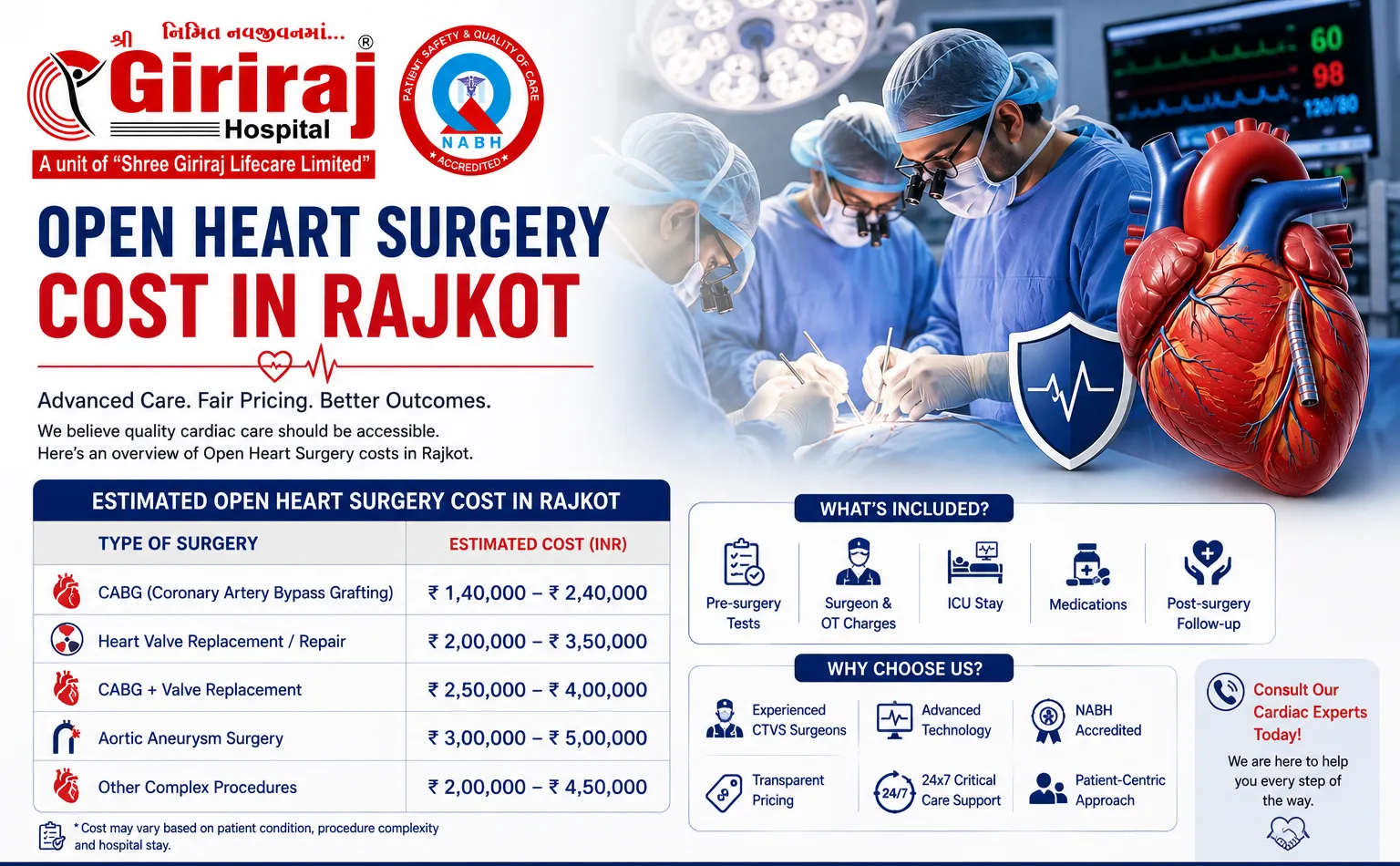
Cost is a genuine, practical factor in how patients and families weigh cardiothoracic surgery risks and benefits, even though it’s not a clinical risk factor itself. Understanding coverage and cost early removes one significant source of stress from an already difficult decision.
Check whether your insurance is empanelled for cashless treatment at your chosen hospital, and ask for a written, itemized cost estimate once your specific procedure and risk profile are confirmed – this makes the financial side of the decision as clear as the medical side.
How Giriraj Hospital Approaches This Conversation
Giriraj Hospital’s cardiothoracic and vascular surgery team, including specialists such as Dr. Bhahul Vekariya, is structured to have this risk-benefit conversation thoroughly with every patient before recommending surgery, rather than presenting it as a foregone conclusion.
- Individualized risk assessment using validated scoring tools, not generic statistics
- A dedicated cardiac ICU and critical care team for close monitoring during the highest-risk period after surgery
- Both traditional and minimally invasive surgical options evaluated based on individual patient anatomy
- Clear, direct communication about both the risks and the expected benefits specific to each patient’s case
You can review the department’s full scope of services on the cardiothoracic and vascular surgery page, or learn more about the surgical team on
Dr. Bhahul Vekariya’s profile page.
Close post-operative monitoring, especially in the first hours and days after high-risk cardiac surgery, is supported by the hospital’s critical care department, which is where most of the serious risks discussed above are actively watched for and managed.
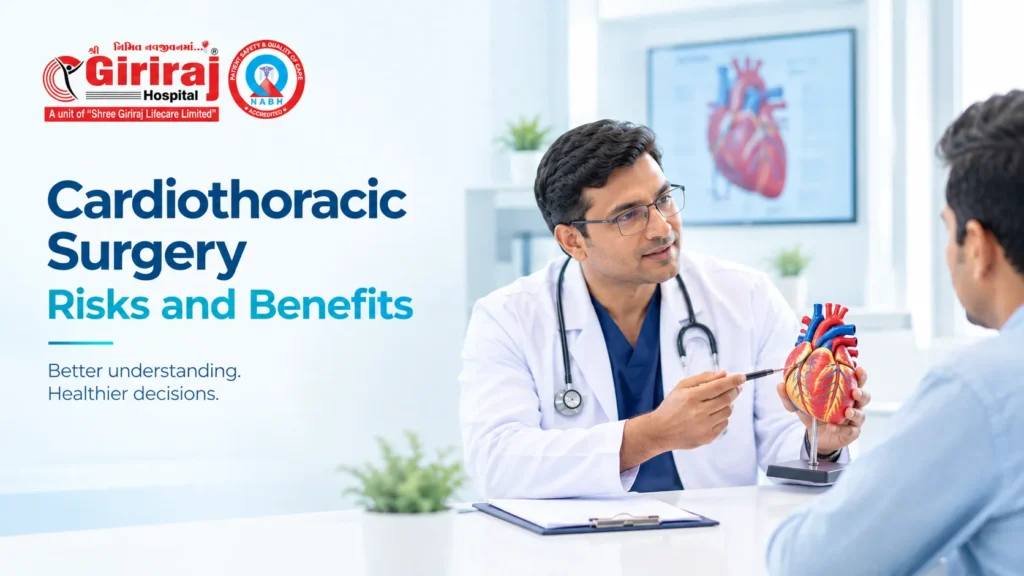
Questions to Ask About Your Specific Risks and Benefits
- What is my individual risk score, and which tool did you use to calculate it?
- What specific benefit are we expecting from this surgery – survival, symptom relief, or both?
- What happens if I choose not to have surgery, or delay it?
- Am I a candidate for a minimally invasive approach, and how does that change my specific risk?
- What complications are most relevant to my specific health history?
- How many procedures like mine have you personally performed, and what were the outcomes?
A surgeon who answers these clearly and specifically, rather than in vague reassurances, is giving you exactly the information needed to make an informed decision.
Age Alone Isn’t the Deciding Factor
Older patients and their families often assume advanced age automatically rules out major surgery, but this isn’t accurate. Overall fitness, existing conditions, and how well a patient tolerates the physiological demands of surgery matter considerably more than chronological age alone when assessing cardiothoracic surgery risks and benefits.
Many patients in their seventies and eighties undergo successful cardiac surgery every year, particularly with the availability of less invasive options like TAVR for higher-risk older patients. Age should factor into the risk assessment, but it shouldn’t be treated as an automatic disqualifier without a full individualized evaluation.
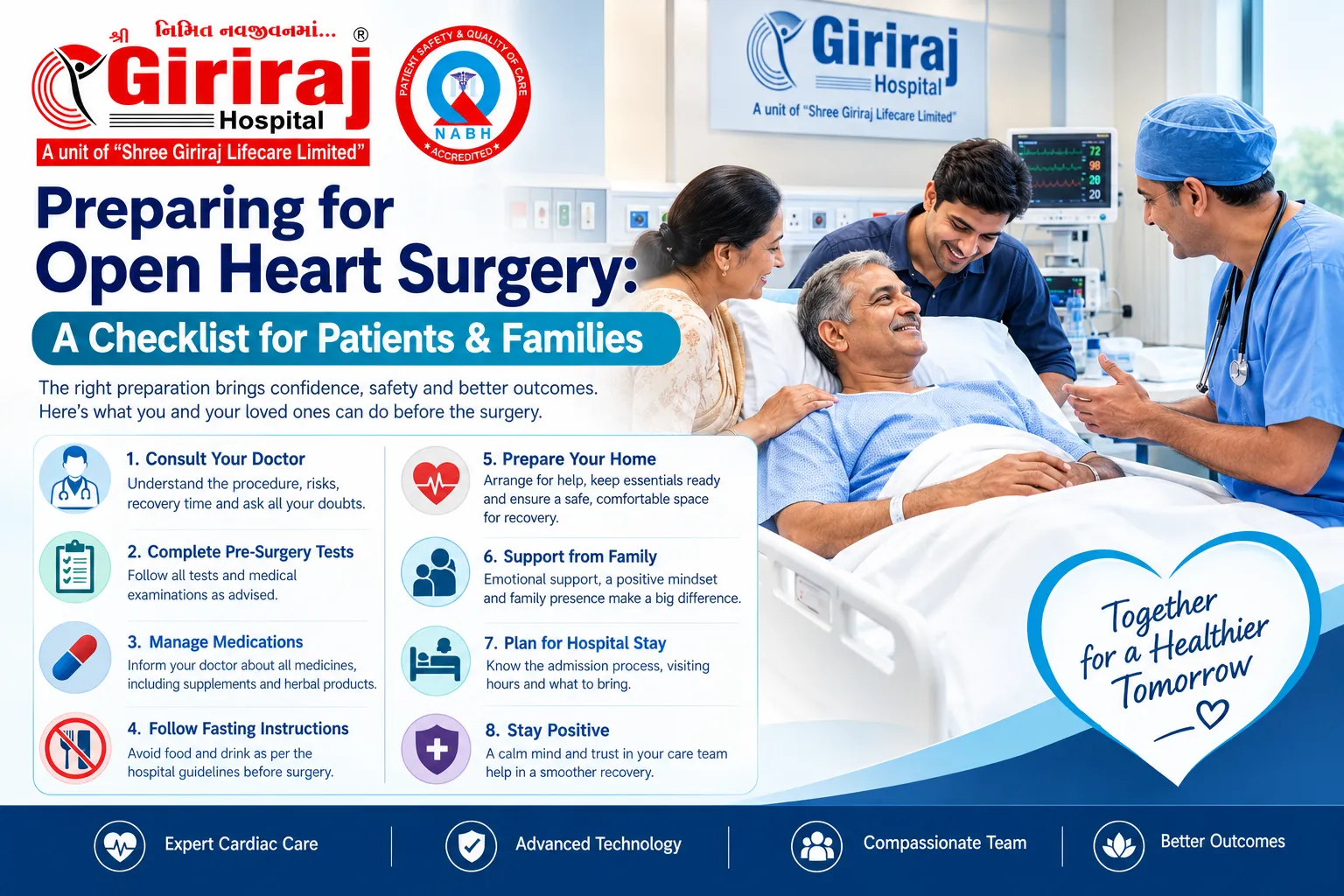
Preparing to Minimize Your Own Risk
Some risk factors are outside a patient’s control, but several genuinely are not, and addressing them before surgery measurably improves outcomes.
- Quitting smoking, even a few weeks before surgery, meaningfully reduces respiratory and healing-related risk
- Managing blood sugar tightly if diabetic, since this affects both infection risk and wound healing
- Treating any active infections before surgery, since even a minor infection can raise surgical risk
- Following all pre-operative testing and medication instructions precisely
For a full walkthrough of this preparation process, see our checklist for preparing for open heart surgery, which covers medical, physical, and logistical preparation in detail.
The Role of Cardiac Rehabilitation in Long-Term Benefit
The full benefit of cardiothoracic surgery isn’t realized on the operating table alone – structured cardiac rehabilitation afterward meaningfully extends and reinforces the surgical benefit through supervised exercise, dietary guidance, and risk-factor management.
Patients who complete a structured rehab program consistently show better long-term outcomes than those who don’t, which is worth factoring into the overall benefit calculation when weighing whether to proceed with surgery in the first place – the operation is the beginning of the benefit, not the entirety of it.
How Risk and Benefit Continue to Matter During Recovery
The risk-benefit conversation doesn’t end once surgery is complete. Recovery itself carries its own set of risks – infection, blood clots, complications from reduced mobility – that are actively managed through monitoring, early movement, and structured rehabilitation.
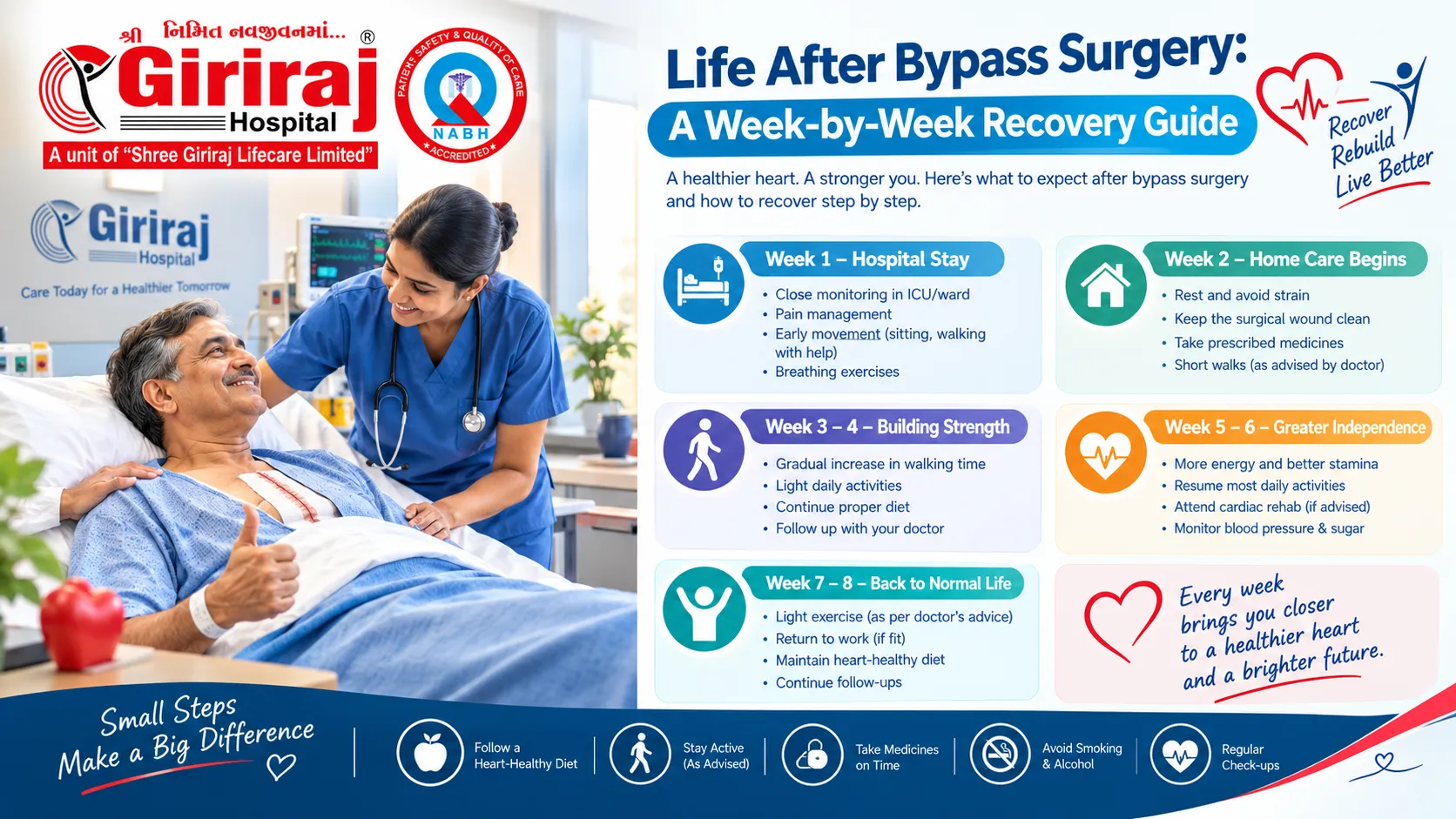
For a detailed, week-by-week look at what recovery typically involves, see our guide to life after bypass surgery, much of which applies to cardiothoracic surgery recovery broadly.
Second Opinions and the Risk-Benefit Conversation
Because cardiothoracic surgery risks and benefits can genuinely be interpreted differently by different surgeons – particularly in borderline or complex cases – seeking a second opinion is a reasonable, common step before committing to major surgery.
- Bring your complete diagnostic results and risk assessment to make a second consultation efficient
- Ask specifically whether the second surgeon agrees on both the recommendation and the calculated risk level
- If opinions differ, ask each surgeon to explain their specific reasoning, which often clarifies which factors are genuinely in question
- Balance thorough decision-making with any urgency your condition requires, since some conditions shouldn’t be left untreated indefinitely while opinions are gathered
A confident, experienced surgical team will typically welcome a second opinion rather than discourage it, since it reflects a patient genuinely engaging with a significant medical decision.
Risks and Benefits by Common Procedure Type
Coronary artery bypass grafting (CABG)
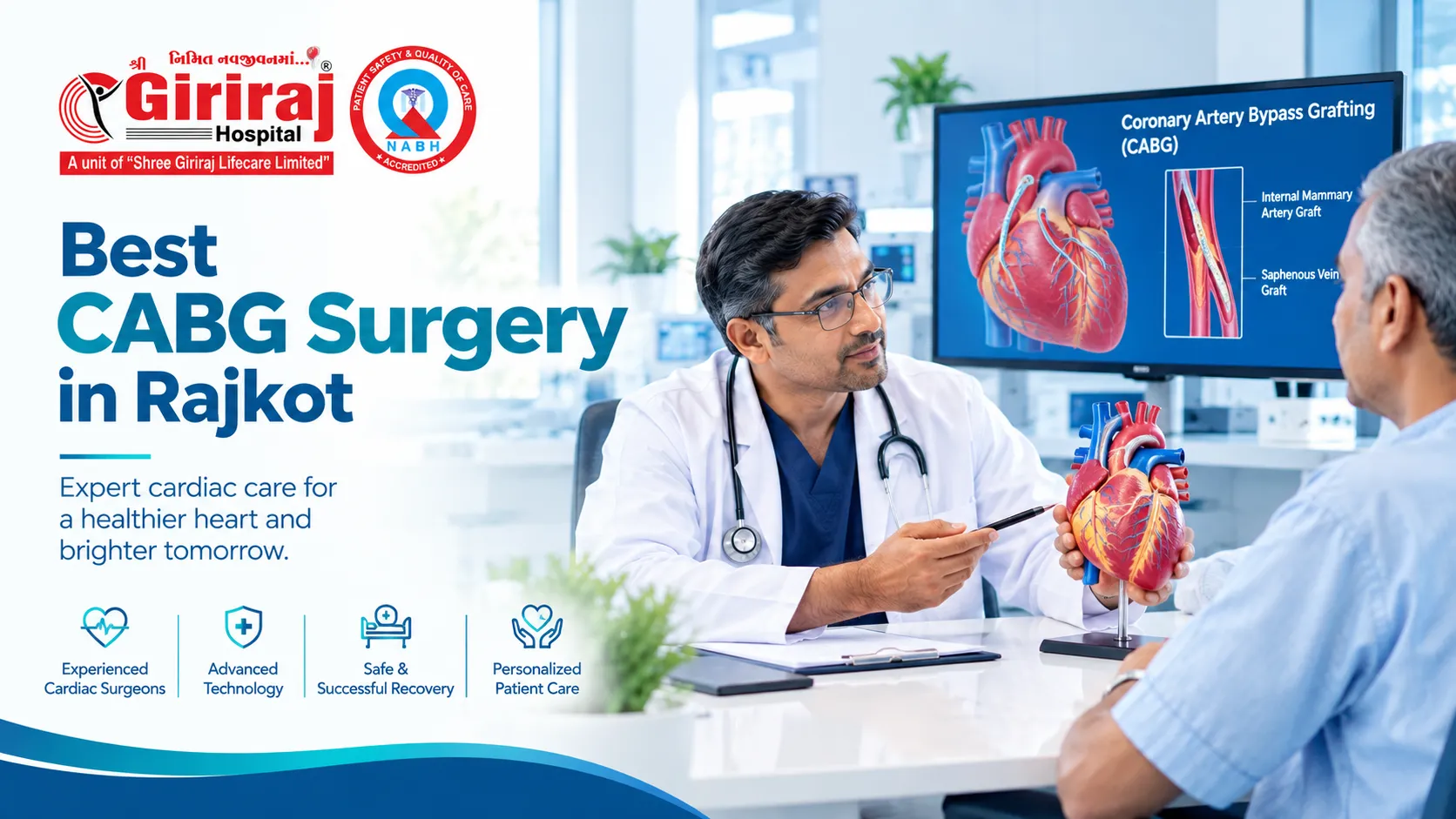
Primary benefit: improved blood flow to the heart, reduced risk of future heart attack, and significant symptom relief. Primary risks: bleeding, infection, temporary arrhythmia, and, in more complex cases, stroke.
Heart valve replacement
Primary benefit: correction of a structural problem causing symptoms or heart strain, often with long-term durability. Primary risks vary by approach – traditional open surgery carries higher initial risk than transcatheter options like TAVR, but not every patient is a candidate for the less invasive route.
See our detailed guide on heart valve replacement surgery in Rajkot for a full breakdown of valve-specific risks and benefits.
Lung resection surgery
Primary benefit: removal of diseased or cancerous lung tissue, often with curative intent for early-stage cancer. Primary risks: respiratory complications, air leaks, and reduced lung capacity, particularly relevant for patients with existing lung disease.
Emergency Surgery: A Different Risk Calculation
Everything discussed so far largely assumes a planned, elective decision with time to weigh options carefully. Emergency cardiothoracic surgery – for a ruptured aneurysm, an acute heart attack requiring urgent bypass, or sudden valve failure – involves a compressed, urgent version of the same risk-benefit calculation, made quickly by the medical team under time pressure.
In these situations, the risk of not operating immediately is typically judged to be significantly higher than the surgical risk itself, which is why emergency teams move quickly rather than pausing for the kind of detailed discussion described throughout this guide. Families in this situation should still feel able to ask direct questions, even briefly, but should also trust that the urgency itself reflects a clear risk-benefit judgment already made by the treating team.
Common Myths About Cardiothoracic Surgery Risk
Myth: If a surgery has any risk at all, it’s not worth doing
Every medical intervention, including choosing not to treat a serious condition, carries some risk. The relevant question isn’t whether risk exists, but whether the expected benefit meaningfully outweighs it for your specific situation – which is precisely what a thorough surgical consultation is designed to clarify.
Myth: Robotic or minimally invasive surgery has no risk
Minimally invasive approaches generally reduce certain risks – pain, blood loss, recovery time – but they don’t eliminate surgical risk entirely, and they aren’t suitable for every patient or condition. “Less invasive” is not the same as “risk-free.”
Myth: A high risk score means surgery should be avoided entirely
A higher individual risk score means the risk-benefit conversation needs to be more careful and detailed, not that surgery is automatically off the table. In some cases, the risk of not operating is actually higher than the surgical risk itself, even for higher-risk patients.
Why This Framework Matters More Than a Single Statistic
It’s tempting to want a single number – “what’s my risk percentage?” – as the entire basis for a surgical decision. But a genuinely useful understanding of cardiothoracic surgery risks and benefits requires looking at the fuller picture: which specific risks apply to you, which specific benefits are realistically expected, what the alternative looks like, and how a multidisciplinary team has weighed all of this together.
Patients who engage with this fuller framework, rather than fixating on a single number, tend to feel more genuinely informed and more at peace with their decision – whichever way it goes – than those who either avoid the conversation entirely or reduce it to one statistic.
A Realistic Example: Illustrative Case
To make this concrete, here’s an illustrative (not an individual patient’s actual case) example. A 67-year-old with severe aortic stenosis and moderate kidney disease is evaluated for valve replacement. Using a standard risk-scoring tool, the surgical team calculates a specific individualized risk estimate and discusses it directly with the patient and family, alongside the expected benefit – significant symptom relief and improved long-term survival compared to continued medical management alone.
Given the patient’s overall profile, a transcatheter approach is recommended over traditional open surgery, meaningfully reducing certain risks while still delivering the expected benefit. This kind of specific, individualized weighing of cardiothoracic surgery risks and benefits – rather than a generic yes-or-no framing – is what a thorough surgical evaluation is meant to produce.
Talking With Family About the Decision
Major cardiothoracic surgery rarely affects just the patient – family members are often deeply involved in the decision, the waiting, and the recovery that follows. Involving family early in the risk-benefit conversation, rather than after a decision is already made, tends to reduce anxiety and improve support during what follows.
- Bring a family member to consultations where possible, since a second set of ears often catches details or questions the patient misses
- Discuss openly, as a family, both the risks being accepted and the benefits being sought, so expectations are shared rather than assumed
- Agree on how updates will be communicated during surgery and recovery, reducing confusion during an already stressful period
Families who engage with this conversation together generally navigate the surgical experience with more shared understanding and less individual anxiety than those who leave one person to carry the full weight of the decision alone.
Frequently Asked Questions
What is the biggest risk of cardiothoracic surgery?
The specific biggest risk varies by procedure and by patient, but bleeding, infection, arrhythmia, and, for higher-risk patients, stroke or death are among the most significant considerations. Your surgeon can identify which risks are most relevant to your specific case based on your health history and planned procedure.
Are the benefits of heart surgery worth the risks?
For most patients recommended for surgery, yes – surgeons generally only recommend cardiothoracic surgery when the expected benefit meaningfully outweighs the calculated risk for that specific patient. This judgment should always be personalized to your case rather than assumed from general statistics.
How do surgeons decide if the benefits outweigh the risks?
Surgeons use validated risk-scoring tools like the EuroSCORE or STS Risk Score, combined with clinical judgment about the specific condition, its natural progression if untreated, and the patient’s overall health, to make this individualized determination.
Is minimally invasive cardiothoracic surgery safer than open surgery?
It often carries lower risk for certain complications – pain, blood loss, infection, recovery time – but isn’t universally safer for every patient or condition. Some cases genuinely require the visibility and control of an open approach for the best outcome.
What increases the risk of complications in cardiothoracic surgery?
Advanced age combined with other health conditions, active smoking, poorly controlled diabetes, emergency (versus planned) surgery, and reduced heart or lung function before surgery all increase individual risk.
Can I get a second opinion on whether the risks are worth it?
Yes, and it’s a reasonable step for a decision this significant. A confident surgical team will generally support this rather than discourage it – bring your full diagnostic results to make a second consultation efficient and productive.
Final Thoughts
Cardiothoracic surgery risks and benefits aren’t abstract concepts – they’re specific, measurable factors that a thorough surgical evaluation should translate into a clear, individualized picture for your own situation. Understanding both sides in concrete terms, rather than a vague “benefits outweigh risks” reassurance, is what allows patients and families to engage meaningfully in what is often one of the most significant medical decisions of their lives.
If you or a family member has been advised to consider cardiothoracic surgery, you can book a consultation with Giriraj Hospital’s cardiothoracic and vascular surgery team for a thorough, individualized risk-and-benefit discussion specific to your condition.
Related reading: for a full walkthrough of getting ready for surgery, see our guide on preparing for open heart surgery, and for what recovery looks like afterward, see our guide on life after bypass surgery.